


If you run a small business, you know that accounting software can be expensive, complicated, and overkill for simple tracking. Sometimes, you just need a pen and paper to see exactly where your money is going.
Whether you are tracking Cost of Goods Sold (COGS), reconciling your bank account, or maintaining a classic double-entry general ledger, paper records provide a backup that computers can’t match.
To help you get your books in order, we have curated a bundle of 5 Free Printable Accounting Ledger Templates. These PDF forms cover everything from simple expense logs to detailed weekly profit and loss statements.
Below is a breakdown of the 5 unique designs included in this free download.
1. The Classic General Ledger
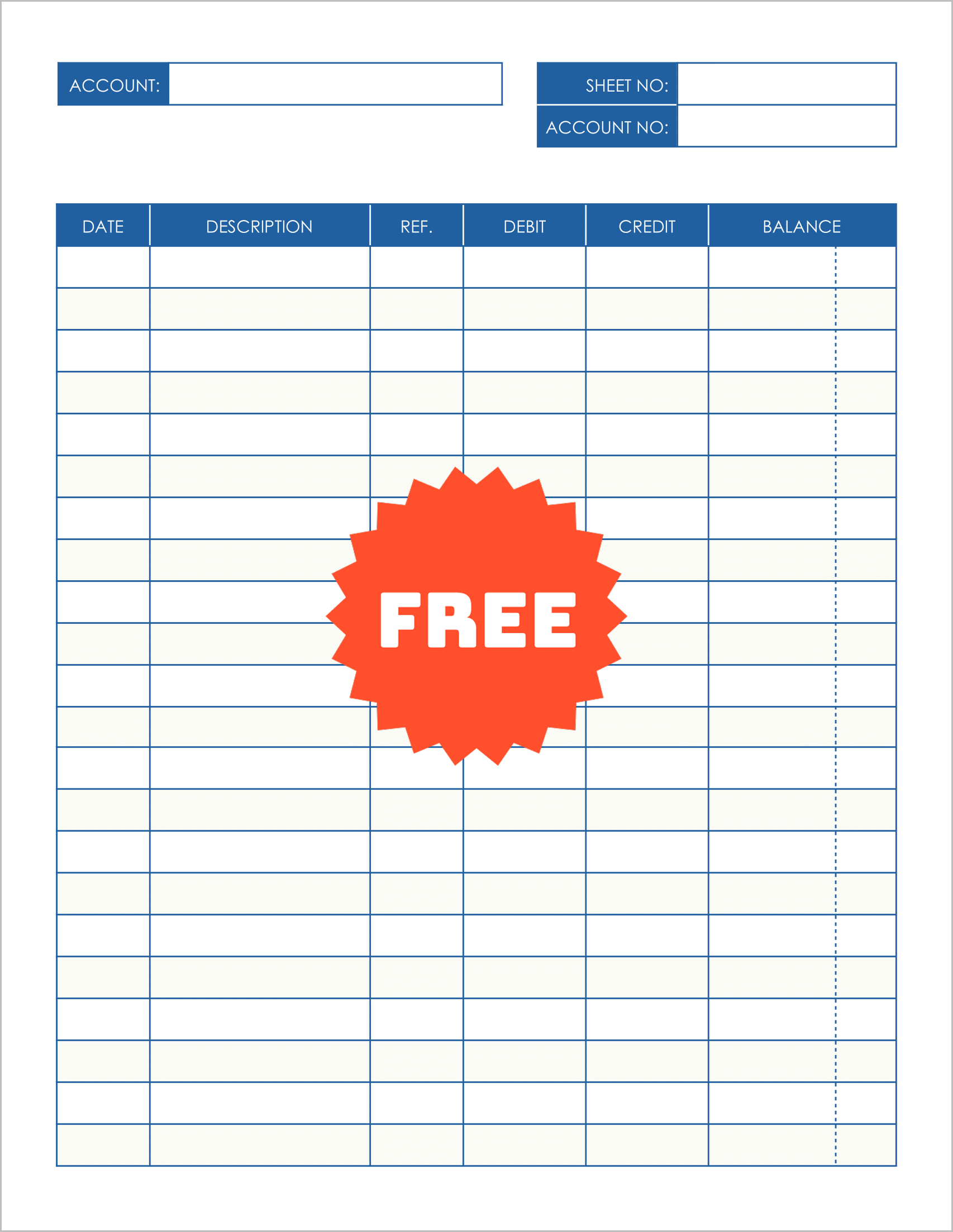
This is the fundamental tool for double-entry bookkeeping. It is designed for those who know their debits from their credits.
The layout features a clean header for the “Account Name” and “Account Number,” allowing you to maintain a separate page for every asset, liability, and equity account.
It tracks the standard data points: Date, Description, Ref (Reference), Debit, Credit, and Balance.
2. The Annual Account Tracker
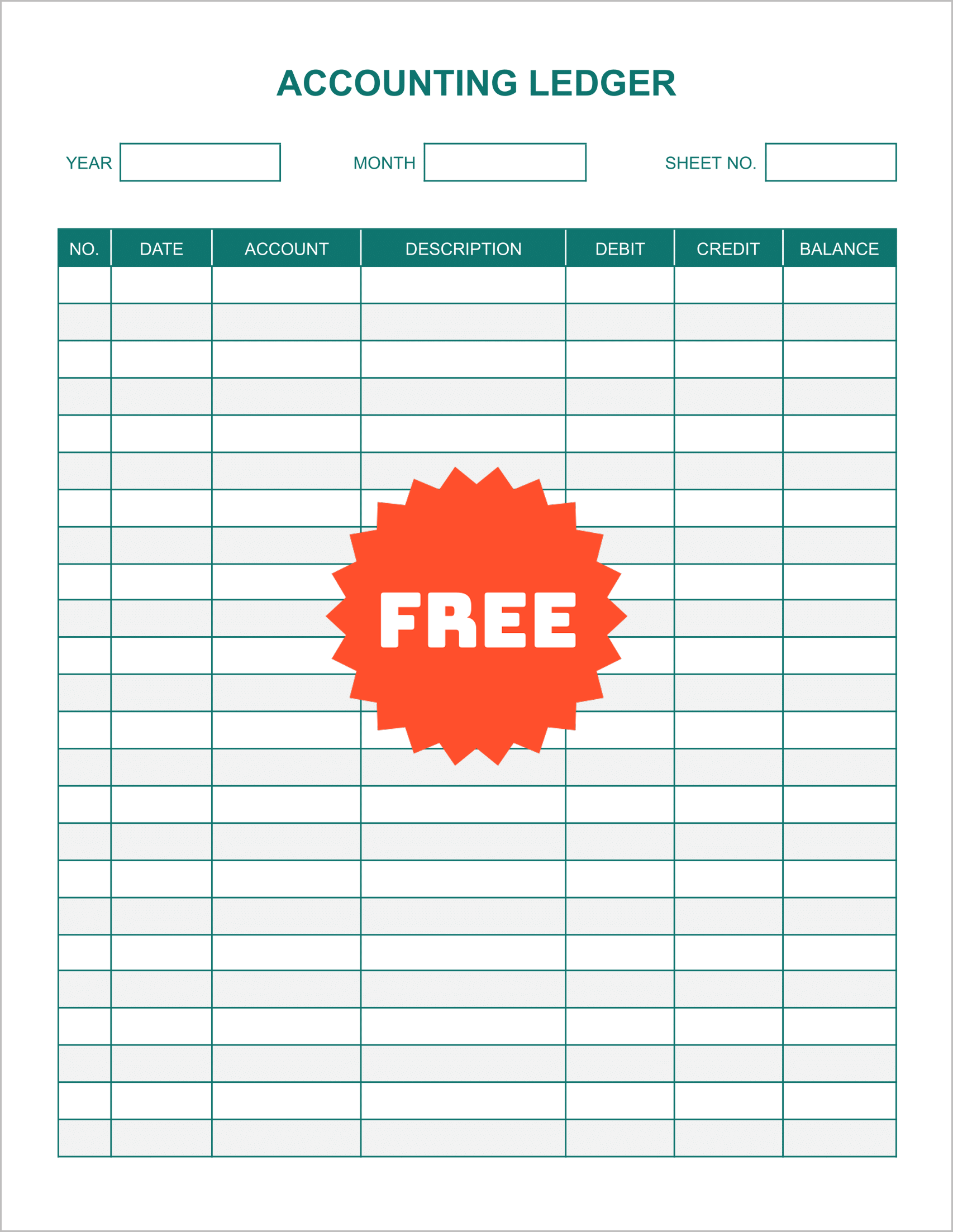
While similar to the classic ledger, this template is designed for long-term tracking. It features specific fields for the “Year” and “Month” at the top, along with a “Sheet No.” field.
The table includes an “Account” column within the row itself, making it versatile enough to track multiple accounts on one page or to serve as a master chronological record of all transactions for the month.
3. The Simple Income & Expense Log
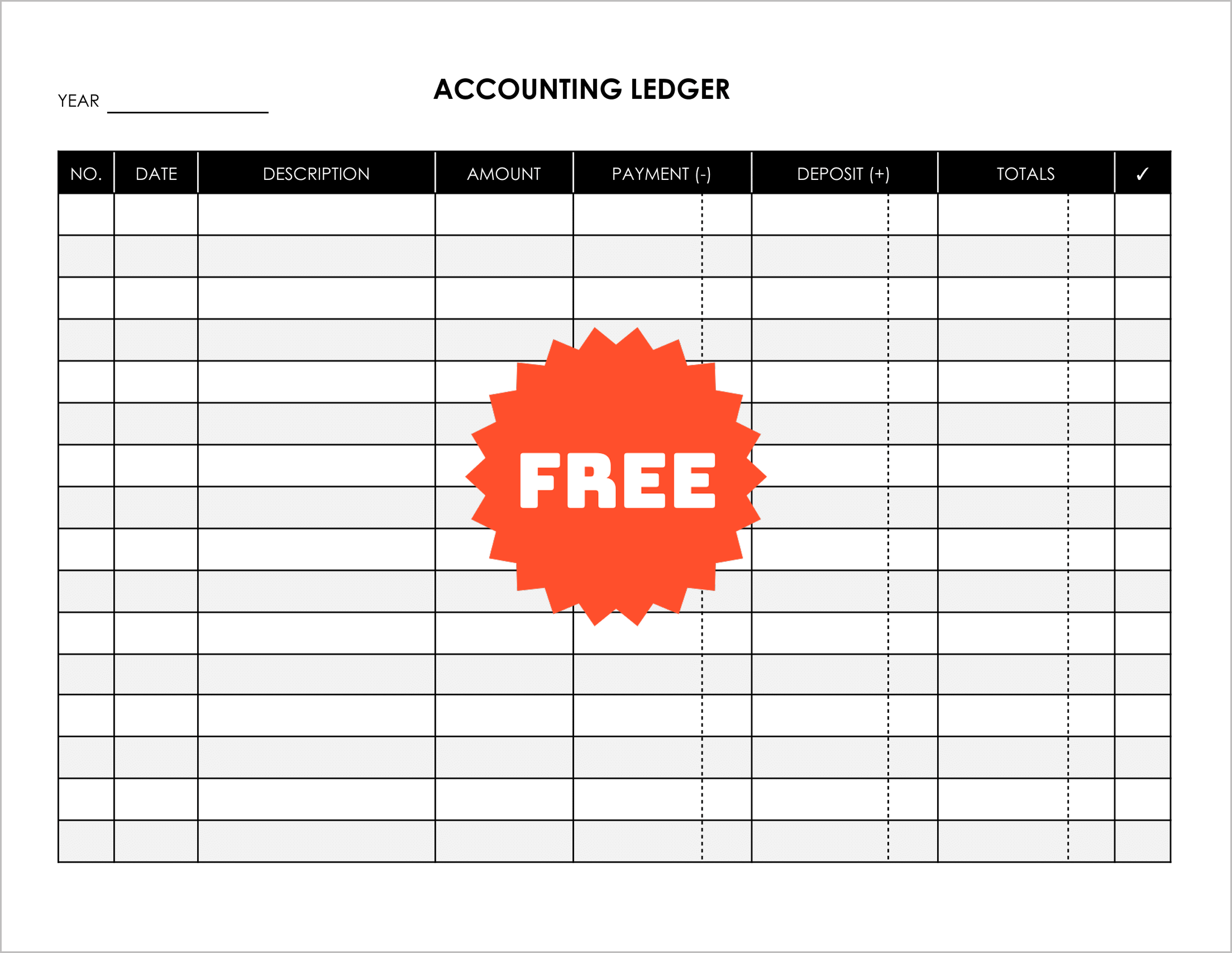
Not everyone is an accountant, and “Debit/Credit” columns can be confusing. This template simplifies the process. Instead of accounting jargon, it uses user-friendly headers: “Payment (-)” and “Deposit (+).”
It also features a “Totals” column at the end. This is the perfect ledger for freelancers or solopreneurs who just need to track cash flow without worrying about balancing books.
4. The Weekly Expenditure Breakdown
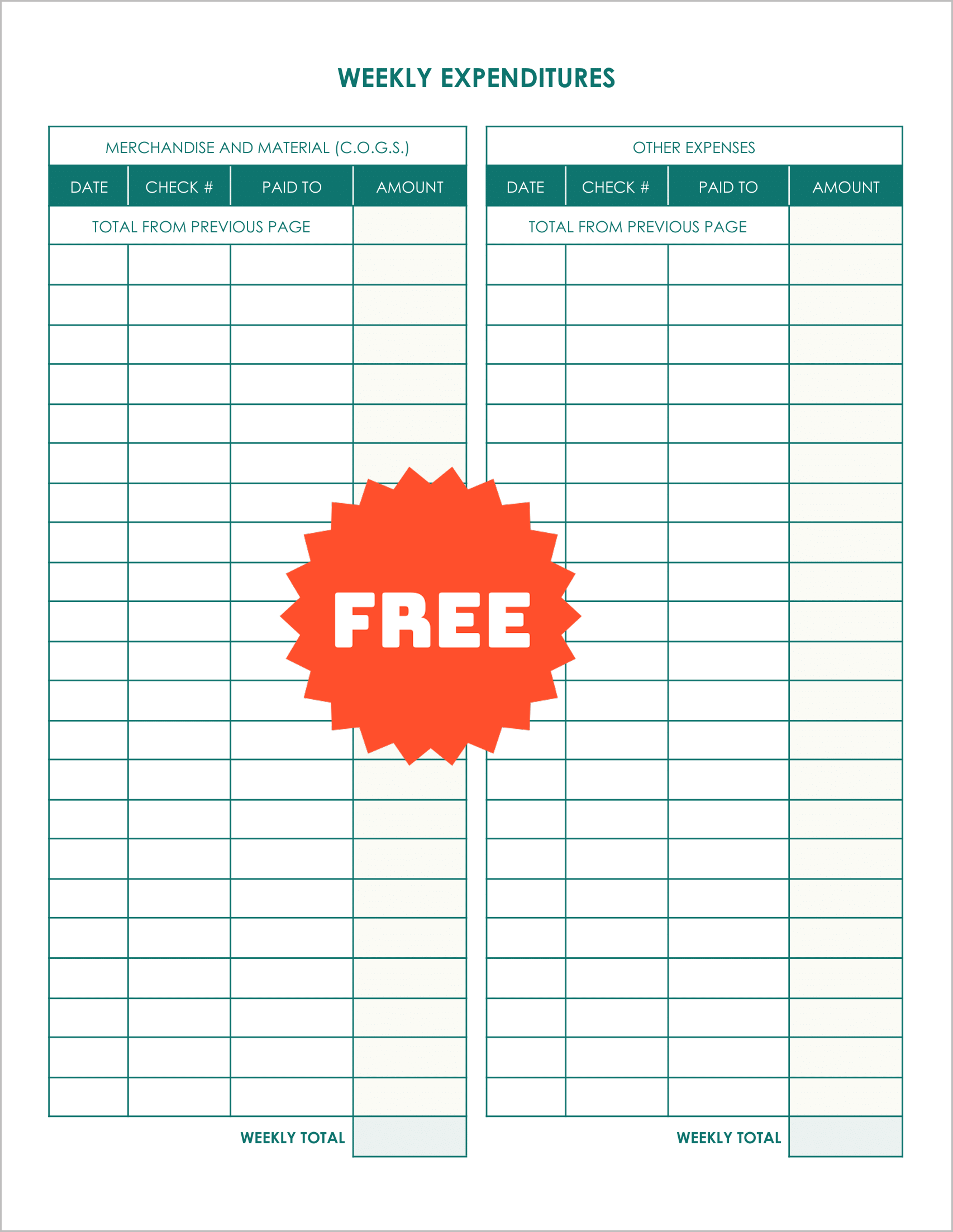
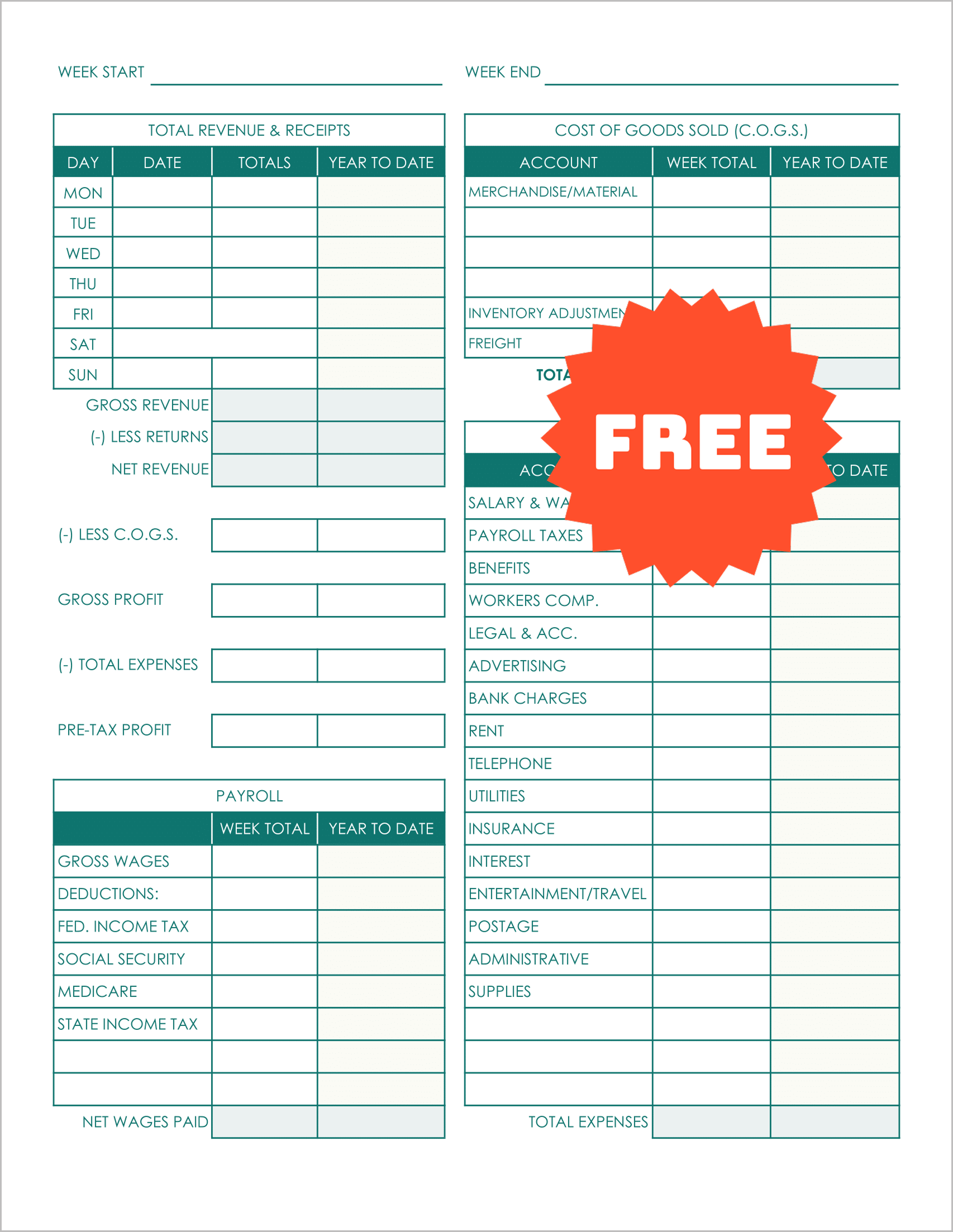
This template is specifically designed for businesses with inventory. It splits your outgoing money into two distinct tables: “Merchandise and Material (C.O.G.S.)” and “Other Expenses.”
By separating the cost of goods from your overhead (rent, utilities, etc.), you get a much clearer picture of your gross margin versus your net profit.
It functions as a Weekly Profit & Loss statement as well. It tracks your “Total Revenue” day-by-day (Mon-Sun), then subtracts your Cost of Goods Sold and Operating Expenses (with specific lines for Rent, Insurance, and Advertising).
It even includes a dedicated “Payroll” section at the bottom to calculate Net Wages after tax deductions. It effectively summarizes your entire business performance on a single page.
5. The Transaction Fee Auditor
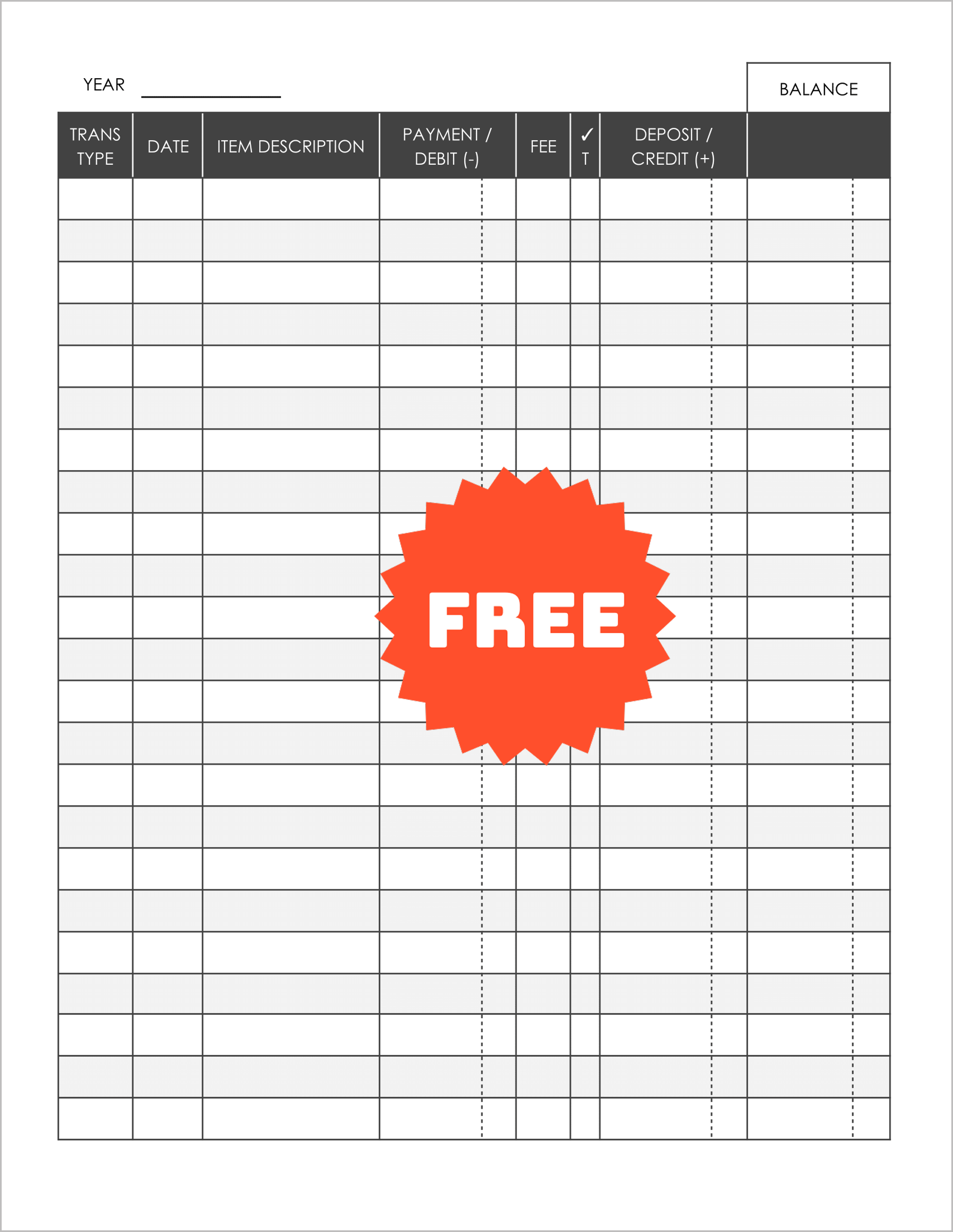
Keeping your checkbook balanced is vital. This template is designed to match your bank statement.
It features a “Trans Type” (Transaction Type) column to code checks, wires, or card swipes. It also includes a specific column for “Fees,” ensuring you don’t forget to deduct those pesky monthly service charges or wire fees from your running balance.
Why You Should Print Your Ledgers
Digital files can be corrupted, but a physical binder is forever. Using these printable ledgers allows you to keep a hard copy of your financial history.
They are excellent for handing off to your tax preparer at the end of the year or for keeping a “shadow set” of books to verify against your bank statements.